
I Bought This Standing Desk Buying With These Features
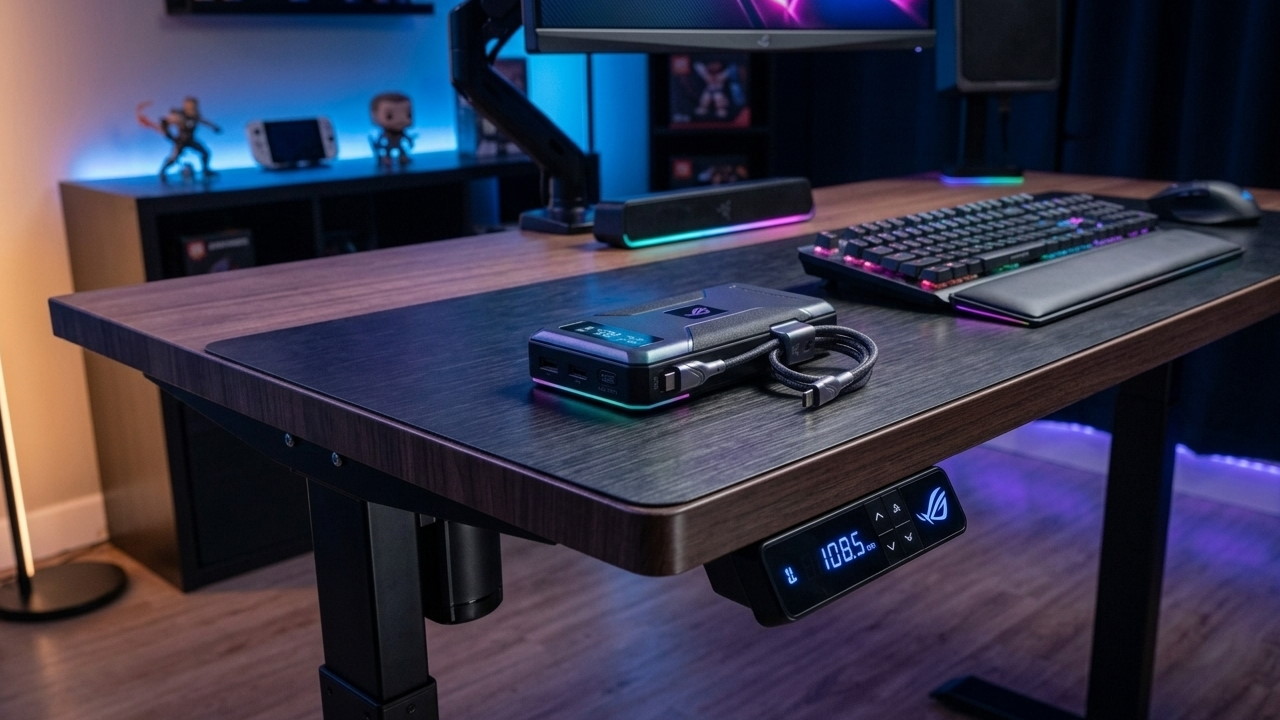
I Bought This Standing Desk Buying With These Features
So according to this I Bought This Standing Desk Buying With These Features article, Standing desks have become increasingly popular among professionals, students, remote workers, gamers, and content creators. As more people spend long hours working on computers, many are looking for ways to create a more comfortable and flexible workspace.
A standing desk allows you to alternate between sitting and standing throughout the day. While no desk can replace regular movement or exercise, a well-designed standing desk can support better ergonomics and make it easier to change your working posture.
However, with so many models available, choosing the right standing desk can be challenging. This guide explains the most important factors to consider before making your purchase.
What Is a Standing Desk?
So considering this I Bought This Standing Desk Buying With These Features article, A standing desk, also called a sit-stand desk or height-adjustable desk, is designed to let you work comfortably while sitting or standing.
Depending on the model, the height can be adjusted manually or electronically, allowing users to switch positions throughout the workday.
Standing desks are commonly used for:
- Office work
- Remote work
- Gaming
- Programming
- Video editing
- Graphic design
- Online teaching
- Studying
Is a Standing Desk Worth Buying?
So based on this I Bought This Standing Desk Buying With These Features article, For many people, a standing desk can improve workspace flexibility.
It may be particularly useful if you:
- Work on a computer for several hours daily
- Want the option to alternate between sitting and standing
- Share a desk with multiple users
- Need adjustable desk height for different tasks
Remember that standing all day is not generally recommended either. The goal is to change positions regularly and maintain good ergonomic habits.
1. Choose the Right Desk Size
So as guided in this I Bought This Standing Desk Buying With These Features article, The first thing to consider is the size of your workspace.
Think about:
- Available room space
- Number of monitors
- Laptop or desktop setup
- Keyboard and mouse space
- Speakers and accessories
A desk should provide enough working area without making your room feel crowded.
Before purchasing, measure both your room and the location where the desk will be placed.
2. Manual vs Electric Standing Desk
So as explained in this I Bought This Standing Desk Buying With These Features article, Standing desks are generally available in two types.
Manual Standing Desk
Manual models use a hand crank or adjustment mechanism.
Advantages:
- Lower cost
- No electricity required
- Simple design
Limitations:
- Slower adjustment
- Less convenient for frequent height changes
Electric Standing Desk
Electric models use motors to raise or lower the desk with the press of a button.
Advantages:
- Fast height adjustment
- Easy to use
- Convenient for multiple users
- Often includes memory presets
For people who switch between sitting and standing several times a day, electric models usually offer greater convenience.
3. Check the Height Adjustment Range
One size does not fit everyone.
The desk should adjust to a comfortable height for your body.
Look for a model that accommodates both sitting and standing positions while allowing your:
- Elbows to remain close to a 90-degree angle
- Wrists to stay relatively straight
- Monitor to sit near eye level
- Feet to rest comfortably on the floor when seated
A wider height adjustment range also makes the desk more suitable for different users.
4. Weight Capacity
Every standing desk has a maximum weight limit.
Consider everything that will sit on the desk, including:
- Monitor
- Laptop
- Desktop computer
- Speakers
- Microphone
- Printer
- Books
- Accessories
If you use dual or triple monitors, choose a desk with sufficient load capacity to support your setup safely.
5. Stability Matters
A standing desk should remain stable at all heights.
A sturdy frame helps reduce wobbling while typing or using multiple monitors.
When comparing models, pay attention to:
- Frame construction
- Leg design
- Crossbar support (if included)
- User reviews regarding stability
A stable desk contributes to a more comfortable and productive work environment.
6. Desktop Material and Finish
The desktop surface affects durability and appearance.
Common materials include:
- Engineered wood
- MDF
- Solid wood
- Bamboo
- Laminate finishes
Choose a surface that is easy to clean, resistant to scratches, and suitable for everyday use.
The finish should also complement your workspace.
7. Motor Performance (Electric Models)
If you’re buying an electric standing desk, evaluate the motor.
Consider factors such as:
- Smooth height adjustment
- Noise level
- Lifting speed
- Reliability
- Weight capacity
A quieter motor can be especially beneficial in shared workspaces or home offices.
8. Cable Management
A clean workspace is easier to organize and maintain.
Many standing desks include features such as:
- Cable trays
- Cable clips
- Wire management channels
These accessories help keep cables organized while allowing the desk to move freely without pulling or tangling wires.
9. Extra Features
Some standing desks include additional features that improve convenience.
Examples include:
- Memory height presets
- USB charging ports
- Drawer storage
- Headphone hooks
- Cup holders
- Keyboard trays
While these aren’t essential, they may enhance your overall workspace experience.
10. Warranty and Customer Support
Since a standing desk is a long-term investment, check:
- Warranty coverage
- Availability of replacement parts
- Customer support
- Assembly instructions
- User reviews regarding reliability
Good after-sales support can make maintenance and servicing much easier if needed.
Common Mistakes Buyers Make
Avoid these common mistakes:
- Buying a desk that’s too small
- Ignoring weight capacity
- Choosing style over stability
- Forgetting to measure room space
- Not considering cable management
- Standing for long periods without taking breaks
- Ignoring ergonomic setup
A little planning before purchasing can help you avoid unnecessary frustration later.
Quick Buying Checklist
Before placing your order, ask yourself:
✅ Does the desk fit my room?
✅ Is the desktop large enough for my equipment?
✅ Do I prefer manual or electric adjustment?
✅ Is the height range suitable for me?
✅ Can it support my monitor setup?
✅ Is the frame stable?
✅ Does it include a good warranty?
If the answer to these questions is “yes,” you’re likely choosing a desk that will serve you well for years.
Frequently Asked Questions
Is a standing desk better than a regular desk?
A standing desk offers greater flexibility because it allows you to alternate between sitting and standing. Whether it’s “better” depends on your work style, comfort, and ergonomic setup.
Should I stand all day while working?
No. Most ergonomic recommendations encourage changing positions regularly rather than remaining seated or standing continuously for long periods.
Are electric standing desks reliable?
Many electric standing desks are designed for daily use. Reliability depends on build quality, motor design, and proper maintenance.
Can I use multiple monitors on a standing desk?
Yes, provided the desk has adequate surface area and weight capacity to support your equipment safely.
Is assembly difficult?
Most standing desks require some assembly. Following the manufacturer’s instructions carefully usually makes the process straightforward.
Conclusion About I Bought This Standing Desk Buying With These Features
A standing desk can be a valuable addition to your workspace by providing the flexibility to alternate between sitting and standing throughout the day. The best desk isn’t necessarily the most expensive—it’s the one that fits your workspace, supports your equipment, and offers the features you genuinely need.
Before buying, compare desk size, height adjustment range, stability, weight capacity, build quality, warranty, and overall value. Taking the time to evaluate these factors will help you create a workspace that’s comfortable, practical, and built to last.
Once you’ve narrowed down your options, compare a few well-reviewed models from reputable manufacturers and choose the one that best matches your needs, workspace, and budget. So this concludes the article about I Bought This Standing Desk Buying With These Features.