
How to Improve Memory Naturally 12 Science Backed Tips
-
Click here – to Get 30% Off on the Best Brain Memory System
-
Click here – to Learn More About The Brain Song
How to Improve Memory Naturally 12 Science Backed Tips
Introduction
So according to this How to Improve Memory Naturally 12 Science Backed Tips article, Have you ever forgotten someone’s name just moments after meeting them, misplaced your keys, or struggled to remember why you walked into a room? Occasional forgetfulness is a normal part of life, but many people wonder if there are safe and effective ways to improve memory naturally.
The good news is that your brain is constantly adapting throughout life. Research suggests that healthy lifestyle habits can support brain health, memory, focus, and overall cognitive function. While no single habit can guarantee a perfect memory, small daily improvements can make a meaningful difference over time.
In this guide, you’ll discover 12 science-backed tips that may help support healthy memory, improve concentration, and keep your brain performing at its best.
Why Does Memory Matter?
So considering this How to Improve Memory Naturally 12 Science Backed Tips article, Your memory allows you to learn new information, recognize people, complete everyday tasks, and make decisions. Strong cognitive function plays an important role in work, education, relationships, and overall quality of life.
Occasional forgetfulness is common, especially during periods of stress or poor sleep. However, maintaining healthy habits throughout life may help support long-term brain health.
1. Get Enough Quality Sleep
So based on this How to Improve Memory Naturally 12 Science Backed Tips article, One of the most important ways to improve memory naturally is by getting enough sleep.
During sleep, your brain processes and stores information you’ve learned throughout the day. Poor sleep may affect:
- Memory
- Focus
- Learning ability
- Decision-making
- Reaction time
Aim for a consistent sleep schedule and create a relaxing bedtime routine whenever possible.
2. Exercise Regularly
So as guided in this How to Improve Memory Naturally 12 Science Backed Tips article, Physical activity benefits both your body and your brain.
Exercise supports healthy blood circulation, which helps deliver oxygen and nutrients throughout the body, including the brain.
Regular exercise has been associated with maintaining healthy brain health and cognitive function.
Even walking for 30 minutes most days of the week can be beneficial.
3. Eat a Brain-Healthy Diet
So as explained in this How to Improve Memory Naturally 12 Science Backed Tips article, A balanced diet provides the nutrients your brain needs to function effectively.
Focus on eating:
- Fruits
- Vegetables
- Whole grains
- Lean protein
- Nuts and seeds
- Healthy fats
Good nutrition supports overall brain health and may contribute to better memory over time.
4. Stay Hydrated
Water plays an essential role in many bodily functions, including normal brain function.
Even mild dehydration may reduce concentration, increase fatigue, and affect mental performance.
Make hydration a daily habit.
5. Reduce Chronic Stress
Long-term stress can make it harder to learn and remember new information.
Helpful stress-management techniques include:
- Deep breathing
- Meditation
- Yoga
- Walking outdoors
- Spending time with family and friends
Managing stress supports both mental well-being and healthy cognitive function.
6. Challenge Your Brain
Like your muscles, your brain benefits from regular exercise.
Try activities such as:
- Reading books
- Learning a new language
- Solving crossword puzzles
- Playing strategy games
- Learning a musical instrument
These activities stimulate different areas of the brain and encourage lifelong learning.
7. Avoid Excessive Multitasking
Trying to do several things at once may reduce your ability to retain information.
Instead:
- Focus on one task at a time.
- Minimize distractions.
- Finish one activity before moving to the next.
Improving focus often leads to better memory.
8. Stay Socially Active
Regular social interaction keeps your mind engaged.
Conversations, group activities, volunteering, and spending time with family can all contribute to overall mental well-being.
Maintaining social connections is an important part of healthy aging.
9. Keep Learning New Skills
Learning challenges your brain to form new connections.
Consider:
- Taking an online course
- Learning photography
- Cooking new recipes
- Practicing public speaking
- Trying a new hobby
Continuous learning supports lifelong brain health.
10. Protect Your Mental Health
Conditions such as anxiety, depression, and chronic stress can affect memory and concentration.
If emotional difficulties begin interfering with daily life, seeking professional support can be an important step toward improving overall well-being.
11. Limit Alcohol and Avoid Smoking
Excessive alcohol consumption and smoking can negatively affect overall health, including brain function.
Making healthier lifestyle choices supports long-term cognitive function and overall wellness.
12. Schedule Regular Health Checkups
Some medical conditions—including thyroid disorders, vitamin deficiencies, hearing problems, and medication side effects—can contribute to memory problems.
Regular medical checkups help identify and manage potential underlying causes early.
Common Habits That May Affect Memory
Certain daily habits may contribute to forgetfulness or reduced focus, including:
- Sleeping too little
- Constant multitasking
- Poor nutrition
- Dehydration
- High stress
- Lack of exercise
- Excessive screen time
- Information overload
Making gradual improvements in these areas may support better mental performance.
Foods That Support Brain Health
A balanced diet is one of the foundations of healthy brain health.
Foods commonly associated with supporting normal brain function include:
- Leafy green vegetables
- Berries
- Fatty fish
- Eggs
- Nuts
- Seeds
- Beans
- Whole grains
- Olive oil
No single food is a miracle solution, but an overall healthy eating pattern matters.
Can Supplements Improve Memory?
Many people searching for ways to improve memory naturally also research supplements marketed for brain health, focus, and cognitive function.
Before purchasing any supplement:
- Read the ingredient list carefully.
- Review the available scientific evidence.
- Check safety information.
- Speak with your healthcare provider if you have existing medical conditions or take medications.
Supplements should be viewed as only one possible part of a broader healthy lifestyle—not a substitute for balanced nutrition, exercise, sleep, or professional medical advice.
When Should You See a Healthcare Professional?
Occasional forgetfulness is common.
However, seek medical advice if:
- Memory loss becomes progressively worse.
- Symptoms interfere with work or daily life.
- Family members notice significant changes.
- Memory problems occur alongside speech, balance, or vision difficulties.
- Confusion develops suddenly.
Early evaluation can help identify treatable underlying causes.
Learn More About Brain Health Products
Many consumers researching memory, focus, and brain health eventually come across products marketed to support cognitive performance.
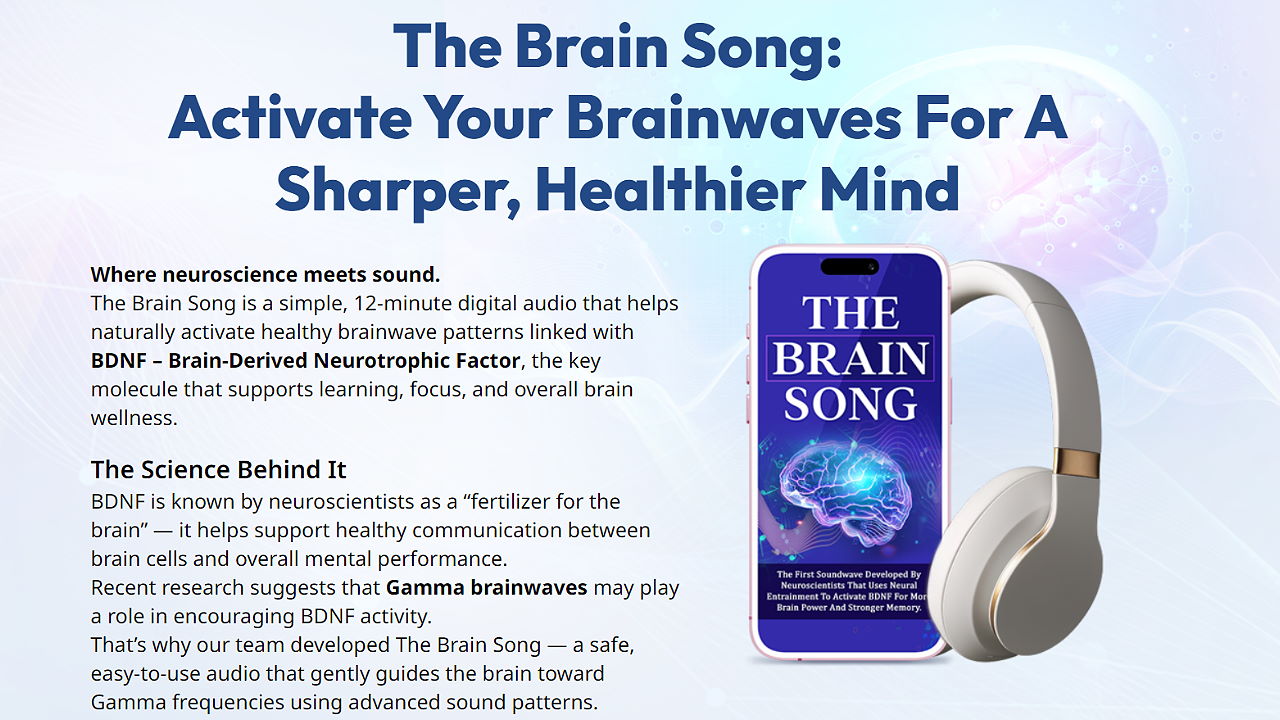
If you’re exploring those options, it’s worth understanding how they’re marketed, what evidence is available, and the questions you should ask before purchasing. You can continue your research by reading our in-depth review of The Brain Song, where we discuss the product, the manufacturer’s claims, and important considerations for consumers.
Conclusion About How to Improve Memory Naturally 12 Science Backed Tips
If you’ve been searching for ways to improve memory naturally, remember that lasting improvements often come from consistent daily habits rather than quick fixes.
Getting enough sleep, staying physically active, eating a balanced diet, reducing stress, challenging your brain, staying hydrated, and maintaining strong social connections all support healthy brain health, memory, focus, and cognitive function.
Small changes made consistently over time can have a meaningful impact on your mental performance. If memory concerns become persistent or interfere with your daily activities, don’t ignore them—consult a qualified healthcare professional to identify any underlying causes and receive appropriate guidance.
Supporting your brain is a lifelong journey, and every healthy habit you build today can contribute to better cognitive well-being in the years ahead. So this concludes the article about How to Improve Memory Naturally 12 Science Backed Tips.