
What Causes Ringing in Ears? Tinnitus Explained (July 2026)
-
Click here – to Get 30% Off on the Best Hearing Relief Tool
-
Click here – to Learn More Neurotinn Hearing Relief Tool
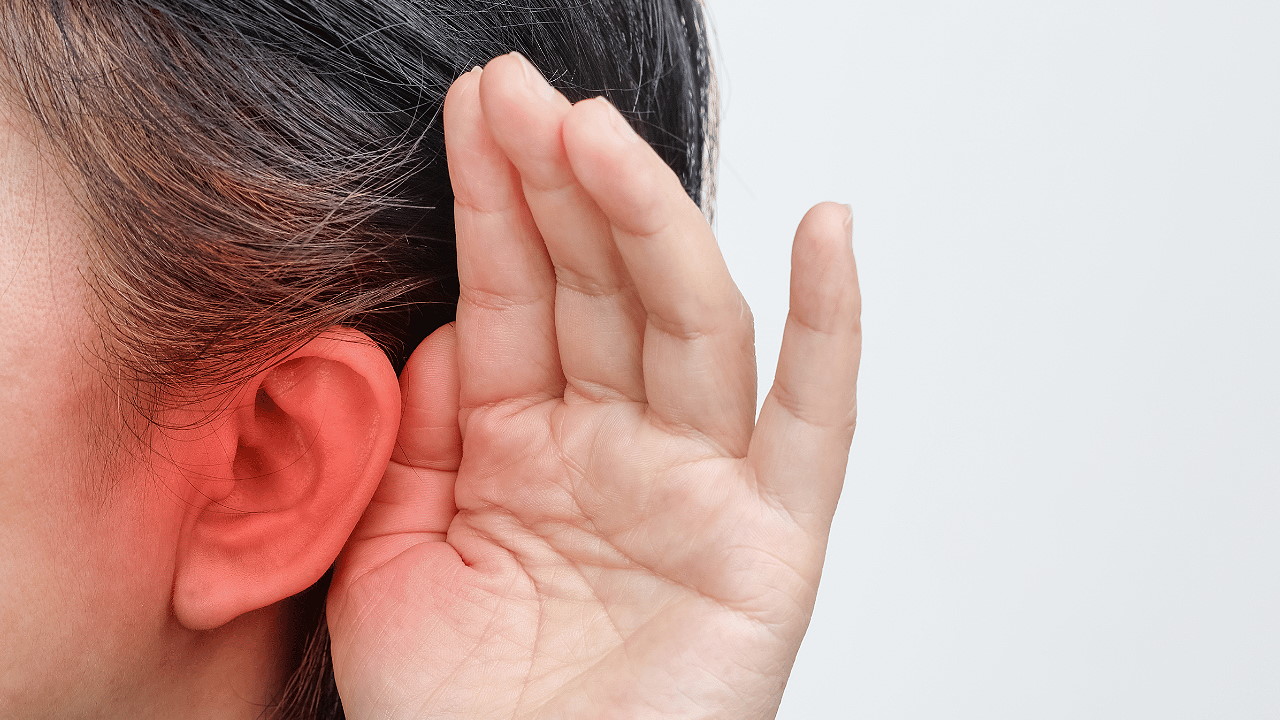
What Causes Ringing in Ears? Tinnitus Symptoms, Treatment & Hearing Health Explained
Introduction
So based on this What Causes Ringing in Ears? Tinnitus Explained (July 2026) article, Hearing a constant ringing, buzzing, humming, or whistling sound can be frustrating, especially when there is no external source producing the noise. This condition, commonly known as tinnitus, affects millions of people worldwide and is one of the most searched hearing-related topics on Google.
If you’ve recently started experiencing ringing in ears, you’re probably asking questions like:
- What causes tinnitus?
- Can tinnitus go away?
- Is there a treatment for ringing ears?
- Should I see a doctor?
- Do hearing supplements actually work?
This What Causes Ringing in Ears? Tinnitus Explained (July 2026) guide explains the basics of tinnitus, common causes, available management options, and how to evaluate products marketed for hearing support.
What Is Tinnitus?
So as guided in this What Causes Ringing in Ears? Tinnitus Explained (July 2026) article, Tinnitus is the perception of sound when no external sound is present.
People describe tinnitus differently. Some hear:
- Ringing
- Buzzing
- Humming
- Clicking
- Hissing
- Roaring
- Whistling
For some people, these sounds are temporary. Others experience symptoms for months or even years.
It’s important to understand that tinnitus is generally considered a symptom rather than a disease itself.
What Causes Ringing in Ears?
So considering this What Causes Ringing in Ears? Tinnitus Explained (July 2026) article There isn’t one single cause.
Common causes include:
- Age-related hearing loss
- Loud noise exposure
- Earwax blockage
- Ear infections
- Certain medications
- Head or neck injuries
- Stress and anxiety
- High blood pressure
- Inner ear disorders
Because tinnitus can have many causes, a proper medical evaluation is important if symptoms are persistent, severe, or appear suddenly.
Can Tinnitus Go Away?
So according to this What Causes Ringing in Ears? Tinnitus Explained (July 2026) article Sometimes.
Temporary tinnitus may disappear after loud noise exposure or once an underlying issue is treated.
However, chronic tinnitus may persist for longer periods.
The outcome depends largely on the underlying cause.
Evidence-Based Ways to Manage Tinnitus
Although there is currently no single treatment that works for everyone, healthcare professionals may recommend:
- Hearing aids for people with hearing loss
- Sound therapy
- Cognitive Behavioral Therapy (CBT)
- Stress reduction techniques
- Better sleep habits
- Hearing protection
- Treating underlying medical conditions
Researchers continue to study new approaches to tinnitus management, including neuromodulation and digital therapies.
What About Hearing Supplements?
When searching online, you’ll likely find many supplements marketed for hearing health or ringing ears.
These products often claim to support healthy hearing or auditory wellness.
Before purchasing any supplement, consider:
- Are the ingredients clearly listed?
- Is there research on the finished product?
- Does the company provide transparent safety information?
- Are the claims supported by independent evidence?
Supplements should not replace professional medical evaluation, particularly if symptoms are new or worsening.
Questions to Ask Before Buying Any Tinnitus Product
Whether you’re researching NeuroTinn or another hearing-support supplement, ask yourself:
- What exactly does the manufacturer claim?
- Are those claims supported by clinical studies?
- Is there a refund policy?
- Are customer reviews balanced rather than overwhelmingly promotional?
- Have I spoken with a healthcare professional?
An informed decision is usually a better decision.
Daily Habits That Support Hearing Health
Good hearing health involves more than taking supplements.
Helpful habits include:
- Wearing hearing protection in noisy environments.
- Keeping headphone volume at safe levels.
- Exercising regularly.
- Managing stress.
- Sleeping well.
- Eating a balanced diet.
- Staying hydrated.
These habits support overall wellness and may help reduce factors that can worsen tinnitus for some people.
When Should You See a Doctor?
Seek medical attention if:
- Ringing begins suddenly.
- Only one ear is affected.
- You notice hearing loss.
- You experience dizziness or balance problems.
- The sound pulses with your heartbeat.
These symptoms deserve prompt evaluation.
Learn More About Hearing Support Products
Many people searching for tinnitus eventually come across products such as NeuroTinn and other hearing-support supplements.
If you’d like to understand how these products are marketed, the questions you should ask before buying, and how to separate marketing claims from scientific evidence, read our detailed NEUROTINN Review, where we examine the product in greater depth.
NEUROTINN Review New Tinnitus Relief Tool
Introduction
So as per this NEUROTINN Review New Tinnitus Relief Tool article, If you’ve been searching online for information about NEUROTINN Review, you’re not alone. Interest in tinnitus relief, ringing ears, and hearing health has grown significantly as more people look for ways to manage persistent ear noises that can interfere with everyday life.
Tinnitus affects millions of adults worldwide. While some people experience occasional ringing after loud noise exposure, others live with continuous sounds that can impact sleep, focus, productivity, and emotional well-being.
Final Thoughts About What Causes Ringing in Ears? Tinnitus Explained (July 2026)
Living with ringing in ears can be frustrating, but understanding the condition is the first step toward making informed decisions.
Protecting your hearing, seeking medical advice when appropriate, and evaluating hearing-support products carefully can help you choose the approach that best fits your situation. Remember that tinnitus varies greatly from person to person, and management often involves a combination of evidence-based care, healthy lifestyle habits, and realistic expectations. So this concludes the article about What Causes Ringing in Ears? Tinnitus Explained (July 2026).