
Dentabiome Reviews and Complaints What Causes Bad Breath?
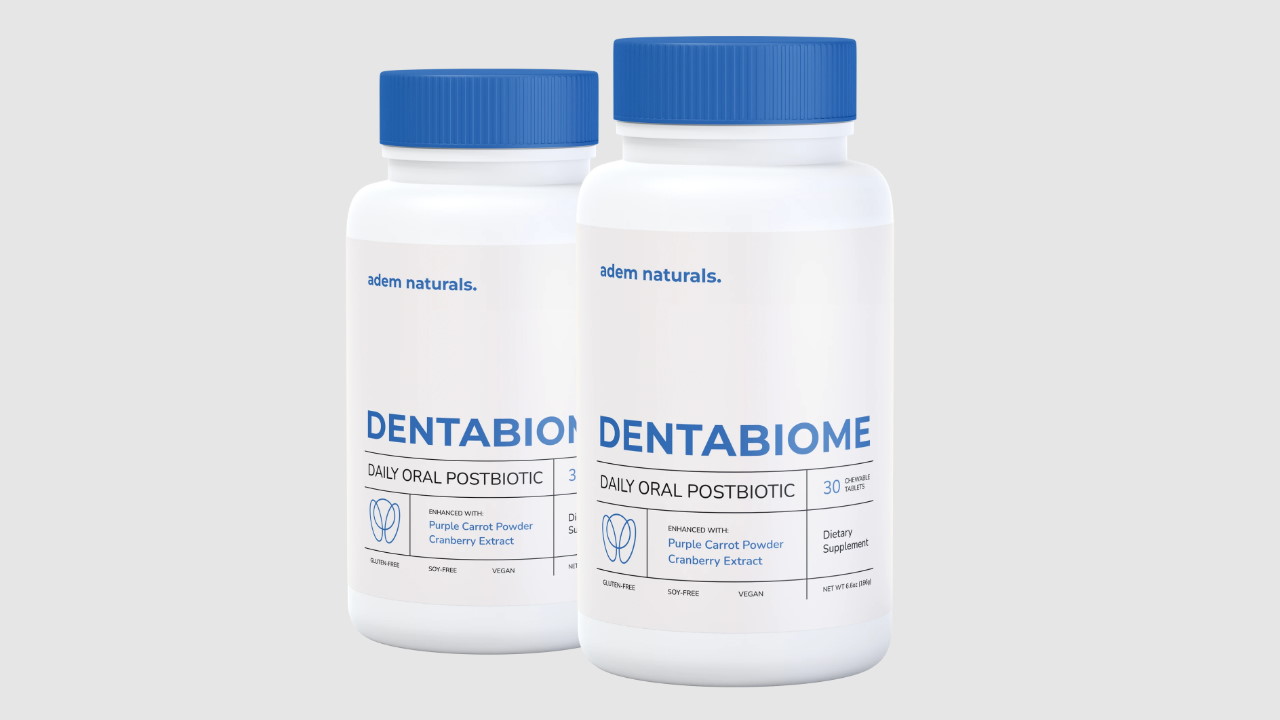
Dentabiome Reviews and Complaints What Causes Bad Breath?
Introduction
So based on this Dentabiome Reviews and Complaints What Causes Bad Breath? article, Everyone experiences bad breath from time to time. It might happen after eating foods like garlic or onions, first thing in the morning, or after going several hours without brushing your teeth. While occasional bad breath is common, persistent bad breath, also known as halitosis, may indicate an underlying oral or medical issue that deserves attention.
Millions of people search online every month for answers to questions like “What causes bad breath?”, “How to get rid of bad breath?”, and “Why does my breath smell bad even after brushing?” Understanding the science behind halitosis is the first step toward finding an appropriate solution.
In this guide, we’ll explore the most common bad breath causes, explain how your mouth and oral bacteria influence breath odor, discuss prevention strategies, and identify when you should consider seeing a dentist or healthcare professional.
What Is Bad Breath (Halitosis)?
So as guided in this Dentabiome Reviews and Complaints What Causes Bad Breath? article, Halitosis is the medical term for persistent unpleasant breath odor. While temporary bad breath after certain foods is normal, chronic bad breath may result from bacterial activity, poor oral hygiene, dry mouth, gum disease, or other health conditions.
The odor often comes from volatile sulfur compounds (VSCs) produced when bacteria break down food particles, dead cells, and proteins inside the mouth.
How Does the Mouth Produce Bad Breath?
So considering this Dentabiome Reviews and Complaints What Causes Bad Breath? article, Your mouth naturally contains hundreds of different bacterial species. Many are harmless and play an important role in maintaining a healthy oral environment.
Problems can develop when certain bacteria multiply excessively. These bacteria feed on food debris and proteins, producing sulfur-containing gases that create unpleasant odors.
Areas where bacteria commonly accumulate include:
- The tongue
- Between teeth
- Along the gumline
- Around dental restorations
- Poorly cleaned dentures
Regular cleaning helps reduce bacterial buildup.
1. Poor Oral Hygiene
So as guided in this Dentabiome Reviews and Complaints What Causes Bad Breath? article, One of the leading bad breath causes is inadequate oral hygiene.
When brushing and flossing are skipped, food particles remain in the mouth. Bacteria feed on these particles and release odor-producing compounds.
A good daily routine includes:
- Brushing twice daily with fluoride toothpaste.
- Cleaning between teeth with floss or interdental brushes.
- Cleaning the tongue.
- Replacing toothbrushes regularly.
2. Tongue Bacteria
The tongue contains tiny grooves where bacteria and debris can accumulate.
Studies have shown that the back of the tongue is a common source of odor-producing bacteria.
Using a tongue scraper or gently brushing the tongue may help reduce bacterial buildup.
3. Dry Mouth
Saliva plays an important role in maintaining a healthy mouth.
It helps wash away food particles and bacteria while neutralizing acids.
A dry mouth may allow odor-producing bacteria to multiply more easily.
Common causes include:
- Certain medications
- Mouth breathing
- Dehydration
- Salivary gland disorders
- Sleeping with an open mouth
Drinking water regularly and addressing the underlying cause may help.
4. Gum Disease
Persistent bad breath may sometimes be associated with gum disease.
When plaque builds up along the gumline, inflammation may develop. In more advanced cases, deeper pockets around the teeth can harbor additional bacteria.
Symptoms may include:
- Bleeding gums
- Swollen gums
- Loose teeth
- Persistent unpleasant breath
Regular dental examinations are important for identifying and treating gum disease.
5. Food Choices
Some foods naturally produce stronger breath odors.
Examples include:
- Garlic
- Onions
- Certain spices
- Coffee
- Alcohol
These odors usually improve with time and good oral hygiene.
6. Smoking and Tobacco
Smoking contributes to bad breath in several ways.
It can:
- Dry the mouth
- Increase plaque buildup
- Raise the risk of gum disease
- Leave lingering odors
Quitting tobacco benefits both oral and overall health.
7. Tooth Decay
Untreated cavities may trap food particles and bacteria.
Over time, this bacterial activity can contribute to unpleasant breath.
Regular dental checkups help detect cavities early.
8. Poorly Cleaned Dental Appliances
Dentures, retainers, aligners, and mouthguards require proper cleaning.
If not cleaned regularly, bacteria and food debris can accumulate, leading to unpleasant odors.
Always follow your dentist’s cleaning recommendations.
9. Certain Medical Conditions
Sometimes halitosis originates outside the mouth.
Possible contributing conditions include:
- Sinus infections
- Tonsil stones
- Acid reflux (GERD)
- Diabetes
- Respiratory infections
- Certain digestive disorders
Persistent bad breath that does not improve with good oral hygiene should be evaluated by a healthcare professional.
Science-Based Ways to Help Reduce Bad Breath
Research supports several habits that promote better oral hygiene and fresher breath:
Brush Properly
Brush for at least two minutes twice each day.
Clean Between Teeth
Flossing removes plaque where toothbrushes cannot reach.
Clean Your Tongue
Reducing bacterial buildup on the tongue may improve breath.
Stay Hydrated
Adequate hydration supports saliva production and reduces dry mouth.
Schedule Regular Dental Visits
Professional cleanings help remove hardened plaque and identify problems early.
Limit Tobacco Use
Avoiding smoking supports healthier gums and fresher breath.
Common Myths About Bad Breath
Myth: Mouthwash Alone Solves the Problem
Reality:
Mouthwash may temporarily mask odor, but it does not address the underlying cause if plaque, gum disease, or tooth decay is present.
Myth: Bad Breath Always Comes From the Stomach
Reality:
Most cases of halitosis originate inside the mouth rather than the stomach.
Myth: Brushing Alone Is Enough
Reality:
Healthy oral hygiene also includes flossing, tongue cleaning, and regular dental examinations.
When Should You See a Dentist?
Consider scheduling a dental appointment if:
- Bad breath lasts for several weeks.
- Your gums bleed regularly.
- You notice loose teeth.
- You experience persistent dry mouth.
- Friends or family frequently mention unpleasant breath.
- Home care does not improve symptoms.
A dentist can evaluate your oral health and determine whether additional treatment is needed.
Frequently Asked Questions
What is the most common cause of bad breath?
Poor oral hygiene is one of the most common causes because it allows bacteria to accumulate and produce odor-causing compounds.
Can dry mouth cause bad breath?
Yes. Reduced saliva allows bacteria to multiply more easily, increasing the likelihood of unpleasant breath.
Does drinking more water help?
Staying hydrated supports saliva production, which helps naturally cleanse the mouth.
Is halitosis always a dental problem?
No. While many cases originate in the mouth, some may be associated with medical conditions involving the nose, throat, digestive system, or other parts of the body.
Final Thoughts About Dentabiome Reviews and Complaints What Causes Bad Breath?
Persistent bad breath can be frustrating, but understanding the underlying causes is the first step toward improving oral health.
Maintaining excellent oral hygiene, brushing and flossing daily, cleaning the tongue, staying hydrated, avoiding tobacco, and visiting your dentist regularly are all science-based strategies that support fresher breath.
If halitosis continues despite good oral care, don’t ignore it. A dental or medical evaluation can help identify any underlying issues and guide you toward the most appropriate treatment.
Good oral health is about more than fresh breath—it plays an important role in your overall well-being. Taking small, consistent steps each day can help protect your teeth, gums, and smile for years to come.