
Why Am I So Forgetful? 15 Causes You Shouldn’t Ignore
-
Click here – to Get 30% Off on the Best Brain Memory System
-
Click here – to Learn More About The Brain Song
Why Am I So Forgetful? 15 Causes You Shouldn’t Ignore
Introduction
So based on this Why Am I So Forgetful? 15 Causes You Shouldn’t Ignore article, Have you ever walked into a room and forgotten why you were there? Misplaced your keys for the third time this week? Forgotten someone’s name moments after meeting them?
Occasional forgetfulness is something almost everyone experiences. However, if you’re asking yourself, “Why am I so forgetful?”, you’re certainly not alone. Millions of people search every month for answers about forgetfulness, memory problems, brain fog, and ways to improve memory.
The good news is that forgetting things occasionally doesn’t automatically mean something serious is wrong. In many cases, everyday lifestyle habits, stress, sleep, nutrition, or temporary health conditions may play a role.
In this educational guide, we’ll explore 15 common causes of memory lapses, discuss when it’s time to seek medical advice, and share practical ways to support your overall brain health.
1. Lack of Sleep
So considering this Why Am I So Forgetful? 15 Causes You Shouldn’t Ignore article, Sleep is essential for healthy brain function. During sleep, your brain helps process and organize memories from the day.
If you’re consistently getting too little sleep, you may notice:
- Increased forgetfulness
- Difficulty concentrating
- Slower thinking
- Reduced productivity
Improving your sleep schedule is often one of the simplest ways to support memory and cognitive function.
2. Chronic Stress
So as guided in this Why Am I So Forgetful? 15 Causes You Shouldn’t Ignore article, Long-term stress can make it much harder to focus and remember information.
When your mind is constantly occupied with worries, your ability to retain new information may decrease.
Stress may also contribute to brain fog, making simple daily tasks feel more difficult than usual.
3. Brain Fog
So based on this Why Am I So Forgetful? 15 Causes You Shouldn’t Ignore article, Many people describe feeling mentally “cloudy” or unable to think clearly.
Brain fog is not a medical diagnosis itself, but rather a collection of symptoms that may include:
- Poor concentration
- Mental fatigue
- Difficulty focusing
- Temporary memory problems
Various factors—including illness, stress, sleep deprivation, and certain medications—can contribute to brain fog.
4. Poor Nutrition
So as explained in this Why Am I So Forgetful? 15 Causes You Shouldn’t Ignore article, Your brain requires a steady supply of nutrients to function effectively.
A diet lacking in fruits, vegetables, healthy fats, whole grains, and adequate protein may affect energy levels and overall brain health.
Eating a balanced diet supports not only your body but also your ability to think clearly.
5. Dehydration
Even mild dehydration can affect concentration and mental performance.
If you aren’t drinking enough fluids throughout the day, you may experience:
- Difficulty focusing
- Fatigue
- Mild forgetfulness
- Headaches
Staying hydrated is a simple habit that supports overall health.
6. Too Much Multitasking
Many people try to do several things at once.
However, constantly switching between tasks can reduce your attention and make it harder to remember information later.
Giving one task your full attention often improves concentration and recall.
7. Information Overload
Modern life exposes us to enormous amounts of information every day.
Emails, social media, news alerts, and notifications compete for your attention.
Trying to process too much information at once can contribute to temporary memory problems.
8. Lack of Physical Activity
Regular exercise supports healthy blood flow throughout the body, including the brain.
Physical activity has been associated with better overall brain health and may help maintain normal cognitive function as people age.
Even moderate daily exercise can make a difference.
9. Certain Medications
Some medications may have side effects that affect concentration or memory.
Never stop taking prescribed medication without consulting your healthcare professional.
If you suspect a medication is affecting your memory, discuss it during your next appointment.
10. Vitamin Deficiencies
Low levels of certain vitamins—such as vitamin B12—can contribute to neurological symptoms in some people.
If your healthcare provider suspects a nutritional deficiency, they may recommend appropriate testing and treatment.
11. Anxiety
Anxiety often causes people to focus on worries instead of the task in front of them.
This divided attention can make remembering information more difficult.
Managing anxiety may improve both focus and day-to-day memory.
12. Depression
Depression affects more than mood.
Some people experience reduced concentration, slower thinking, and increased forgetfulness.
Professional evaluation is important if symptoms are persistent.
13. Hearing Problems
People with untreated hearing difficulties may appear forgetful because they miss parts of conversations.
Protecting your hearing and seeking evaluation when needed can support communication and overall well-being.
14. Aging
Normal aging can bring small changes in memory.
Occasionally forgetting names or appointments becomes more common with age.
However, significant or rapidly worsening memory loss should always be evaluated by a healthcare professional.
15. Underlying Medical Conditions
In some cases, memory problems may be associated with underlying medical conditions.
Examples include thyroid disorders, infections, metabolic conditions, or neurological diseases.
Only a qualified healthcare professional can determine the cause through appropriate evaluation.
How to Improve Memory Naturally
If you’re wondering how to improve memory, several healthy habits are supported by research for maintaining overall brain health:
- Get enough quality sleep.
- Exercise regularly.
- Eat a balanced diet.
- Stay hydrated.
- Challenge your brain by learning new skills.
- Read regularly.
- Limit unnecessary multitasking.
- Reduce chronic stress.
- Stay socially active.
- Follow your healthcare provider’s advice for ongoing medical conditions.
These strategies support overall health and may contribute to better attention and memory over time.
When Should You See a Doctor?
While occasional forgetfulness is common, you should seek medical advice if:
- Memory loss interferes with daily life.
- Symptoms worsen quickly.
- You frequently become confused.
- Friends or family notice significant changes.
- Memory issues occur alongside speech, balance, or vision problems.
Early evaluation can help identify treatable causes and provide appropriate guidance.
Can Supplements Improve Brain Health
Many people searching for ways to improve memory also come across supplements marketed for brain health, focus, or concentration.
Before trying any supplement:
- Read the ingredient list carefully.
- Look for transparent safety information.
- Review available scientific evidence.
- Discuss it with your healthcare professional if you have medical conditions or take prescription medications.
Supplements should not replace a healthy lifestyle or professional medical advice.
Learn More About Brain Health Products
If you’re researching products marketed for memory or focus support, it’s important to understand how they’re presented, what claims are made, and what evidence is available.
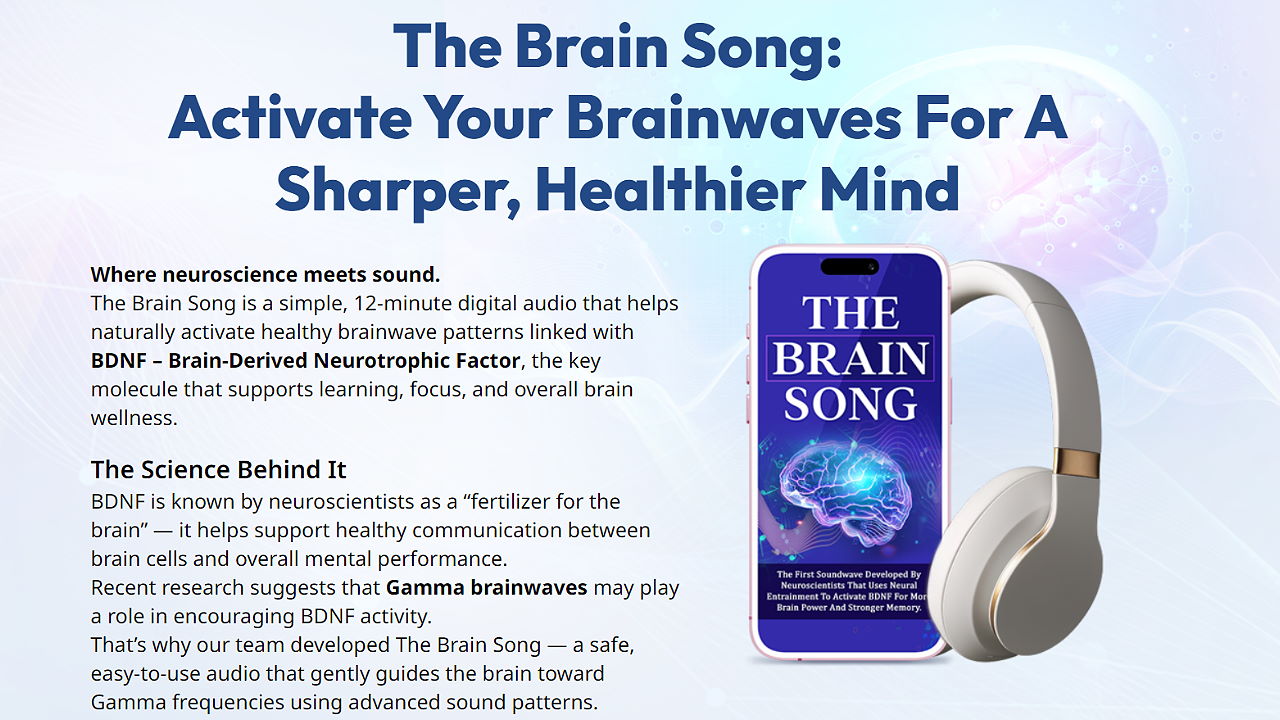
You can continue your research by reading our detailed review of The Brain Song, where we explain what the product is, how it’s marketed, and the key questions consumers should consider before making a purchase.
Conclusion About Why Am I So Forgetful? 15 Causes You Shouldn’t Ignore
If you’ve been asking, “Why am I so forgetful?”, remember that occasional memory lapses are often a normal part of life.
Factors such as stress, brain fog, poor sleep, dehydration, poor concentration, and everyday distractions can all contribute to temporary forgetfulness.
The best approach is to focus on healthy daily habits that support brain health, seek medical advice when memory problems become persistent or interfere with daily life, and carefully evaluate any products marketed for memory support.
Understanding the possible causes of memory problems is the first step toward making informed decisions about your health and well-being. SO this concludes the article about Why Am I So Forgetful? 15 Causes You Shouldn’t Ignore.