
Brain Fog Explained Learn What Actually Helps
-
Click here – to Get 30% Off on the Best Brain Fog Stress Relief
-
Click here – to Learn More About The Brain Song
Brain Fog Explained Learn What Actually Helps
Introduction
So according to this Brain Fog Explained Learn What Actually Helps article, Have you ever struggled to concentrate during an important meeting, forgotten what you were about to say, or felt mentally “cloudy” for no obvious reason? If so, you may have experienced what many people describe as brain fog.
Although brain fog is not a medical diagnosis, it’s a term widely used to describe a group of symptoms that affect memory, focus, concentration, and overall cognitive function. Millions of people search every month for answers to questions like “What is brain fog?”, “How do I get rid of brain fog?”, and “What actually helps brain fog?”
The good news is that brain fog often has an identifiable cause. Understanding why it happens is the first step toward improving mental clarity.
In this guide, you’ll learn what brain fog is, its most common causes, symptoms, practical ways to support brain health, and when it’s important to seek professional medical advice.
What Is Brain Fog?
So considering this Brain Fog Explained Learn What Actually Helps article, Brain fog is a non-medical term used to describe temporary problems with thinking clearly.
People experiencing brain fog often report:
- Difficulty concentrating
- Poor focus
- Forgetfulness
- Mental fatigue
- Slower thinking
- Trouble finding the right words
- Reduced productivity
While these symptoms can be frustrating, brain fog itself is usually a symptom rather than a disease.
Common Symptoms of Brain Fog
So as guided in this Brain Fog Explained Learn What Actually Helps article, Although everyone’s experience is different, common symptoms include:
- Feeling mentally tired
- Trouble remembering information
- Difficulty completing simple tasks
- Reduced concentration
- Poor attention span
- Feeling mentally “slow”
- Difficulty learning new information
- Lower productivity
These symptoms may appear occasionally or persist for longer periods depending on the underlying cause.
What Causes Brain Fog?
So based on this Brain Fog Explained Learn What Actually Helps article, There isn’t one single cause.
Several lifestyle and health factors may contribute to it.
1. Lack of Sleep
So explained in this Brain Fog Explained Learn What Actually Helps article, Sleep plays an essential role in learning, memory, and cognitive function.
Even one night of poor sleep can reduce alertness and make concentrating more difficult.
2. Chronic Stress
Long-term stress increases mental fatigue.
When your brain is constantly processing worries, it becomes more difficult to focus on new information.
Stress is one of the most common contributors to temporary stress.
3. Poor Nutrition
Your brain depends on a steady supply of nutrients to perform at its best.
A balanced diet containing fruits, vegetables, healthy fats, whole grains, and adequate protein supports overall brain health.
4. Dehydration
Even mild dehydration can reduce mental performance.
People who are dehydrated often experience:
- Headaches
- Reduced concentration
- Mental fatigue
- Mild forgetfulness
Drinking enough water throughout the day supports healthy brain function.
5. Information Overload
Modern life exposes us to constant notifications, emails, videos, and social media updates.
Trying to process too much information at once can reduce focus and make your brain feel overwhelmed.
6. Lack of Physical Activity
Regular exercise supports healthy circulation throughout the body, including the brain.
Physical activity has been associated with maintaining normal cognitive function and supporting overall brain health.
7. Anxiety
Anxiety often affects attention.
When your mind is occupied with worries, remembering information becomes more difficult.
8. Certain Medications
Some prescription medications may affect alertness or memory.
If you notice changes after starting a new medication, speak with your healthcare provider before making any changes.
9. Vitamin Deficiencies
Low levels of certain nutrients, including vitamin B12, may contribute to neurological symptoms in some people.
If appropriate, your healthcare provider may recommend testing.
10. Medical Conditions
In some cases, it may be associated with underlying medical conditions.
Examples include thyroid disorders, infections, autoimmune diseases, hormonal changes, or other health conditions.
A healthcare professional can help determine the cause.
What Actually Helps Brain Fog?
Although there is no universal solution, several healthy habits may improve mental clarity and support overall brain health.
Prioritize Quality Sleep
Aim for a consistent sleep schedule.
Good sleep supports learning, memory, and concentration.
Stay Physically Active
Regular movement supports healthy circulation and overall wellness.
Even daily walking can be beneficial.
Eat a Balanced Diet
Choose meals rich in vegetables, fruits, healthy fats, lean protein, and whole grains.
A nutritious diet supports healthy brain function.
Stay Hydrated
Drinking enough water throughout the day is one of the simplest ways to support overall health.
Reduce Multitasking
Focusing on one task at a time often improves concentration and productivity.
Manage Stress
Helpful strategies include:
- Meditation
- Deep breathing
- Walking outdoors
- Spending time with family
- Regular exercise
Reducing chronic stress may improve mental clarity.
Exercise Your Brain
Keep your mind active by:
- Reading books
- Learning new skills
- Solving puzzles
- Practicing a new language
- Playing strategy games
Mental stimulation supports lifelong brain health.
Can Supplements Help?
Many people searching for it also research supplements marketed for brain health, memory, and focus.
Before purchasing any supplement:
- Review the ingredient list.
- Read safety information carefully.
- Look for independent scientific evidence.
- Discuss concerns with your healthcare provider if you have existing medical conditions or take medications.
Supplements should complement—not replace—a healthy lifestyle and appropriate medical care.
When Should You See a Doctor?
Seek medical advice if:
- Brain fog lasts for several weeks.
- Symptoms interfere with work or daily activities.
- You experience significant memory loss.
- Symptoms become progressively worse.
- You have additional neurological symptoms such as weakness, difficulty speaking, or vision changes.
A medical evaluation can help identify treatable causes.
Learn More About Brain Health Products
If you’re researching products marketed for memory, focus, or brain health, it’s important to understand both the marketing claims and the available evidence.
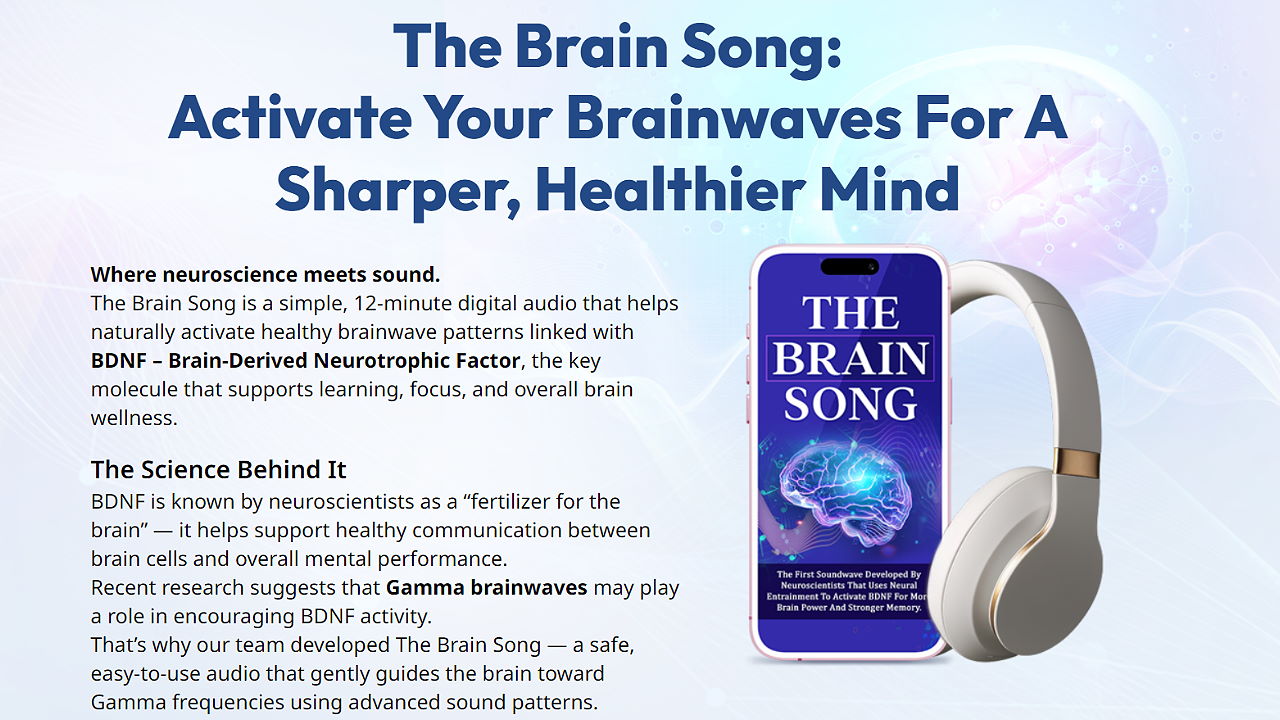
Our detailed review of The Brain Song explains what the product is, how it’s marketed, and the questions consumers should ask before purchasing any brain-health supplement.
Can Daily Habits Prevent It?
While there is no guaranteed way to prevent this, developing healthy daily routines may reduce the likelihood of experiencing frequent mental fatigue and poor concentration. Simple habits such as maintaining a regular sleep schedule, limiting excessive screen time, taking short breaks during work, staying physically active, and eating balanced meals throughout the day can support overall brain health.
It’s also helpful to challenge your mind by reading, learning new skills, or solving puzzles, which may contribute to healthy cognitive function over time. Remember that improving focus and memory is often the result of consistent lifestyle choices rather than a single solution. Small improvements made every day can add up and help you feel mentally sharper in the long run.
Conclusion About Brain Fog Explained Learn What Actually Helps
Experiencing brain fog can be frustrating, but in many cases it is linked to lifestyle factors that can be improved over time.
Getting enough sleep, reducing stress, staying hydrated, eating a nutritious diet, exercising regularly, and maintaining healthy daily habits all support better focus, concentration, memory, and overall brain health.
If symptoms become persistent, severe, or interfere with your daily life, don’t ignore them. A qualified healthcare professional can help identify the underlying cause and recommend the most appropriate course of action.
Understanding what actually helps this is the first step toward clearer thinking and making informed decisions about your health. So this concludes the article about Brain Fog Explained Learn What Actually Helps.